Yosemite National Park, USA (California)
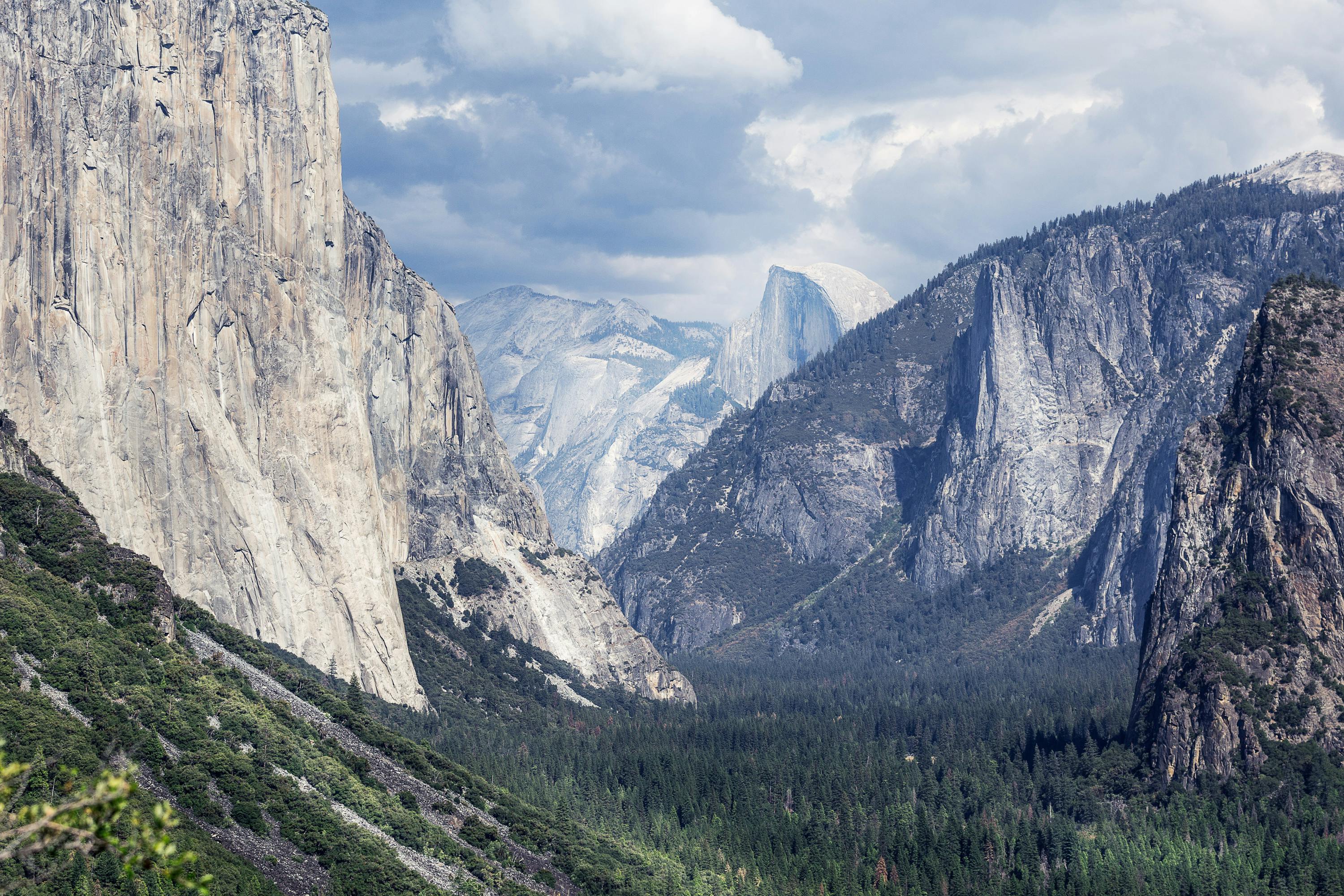
Yosemite is the spiritual home of modern rock climbing, where generations of climbers have come to test themselves on flawless granite walls rising over 3,000 feet from the valley floor. El Capitan and Half Dome dominate the skyline, offering everything from perfect splitter cracks to wildly exposed aid pitches, while the Valley itself packs in endless single-pitch trad lines and classic boulders. The history here is palpable: nearly every formation has a story behind it, from early pioneering aid ascents to cutting-edge free climbs, making Yosemite as much a cultural pilgrimage as a climbing trip.
Best-known route: The Nose (El Capitan) — the most iconic big wall on earth; aid/free variations around 5.9 C2 to ~5.14a when freed.
Difficulty range: Roped routes roughly 5.4–5.15, bouldering about V0–V15+.
Fontainebleau, France
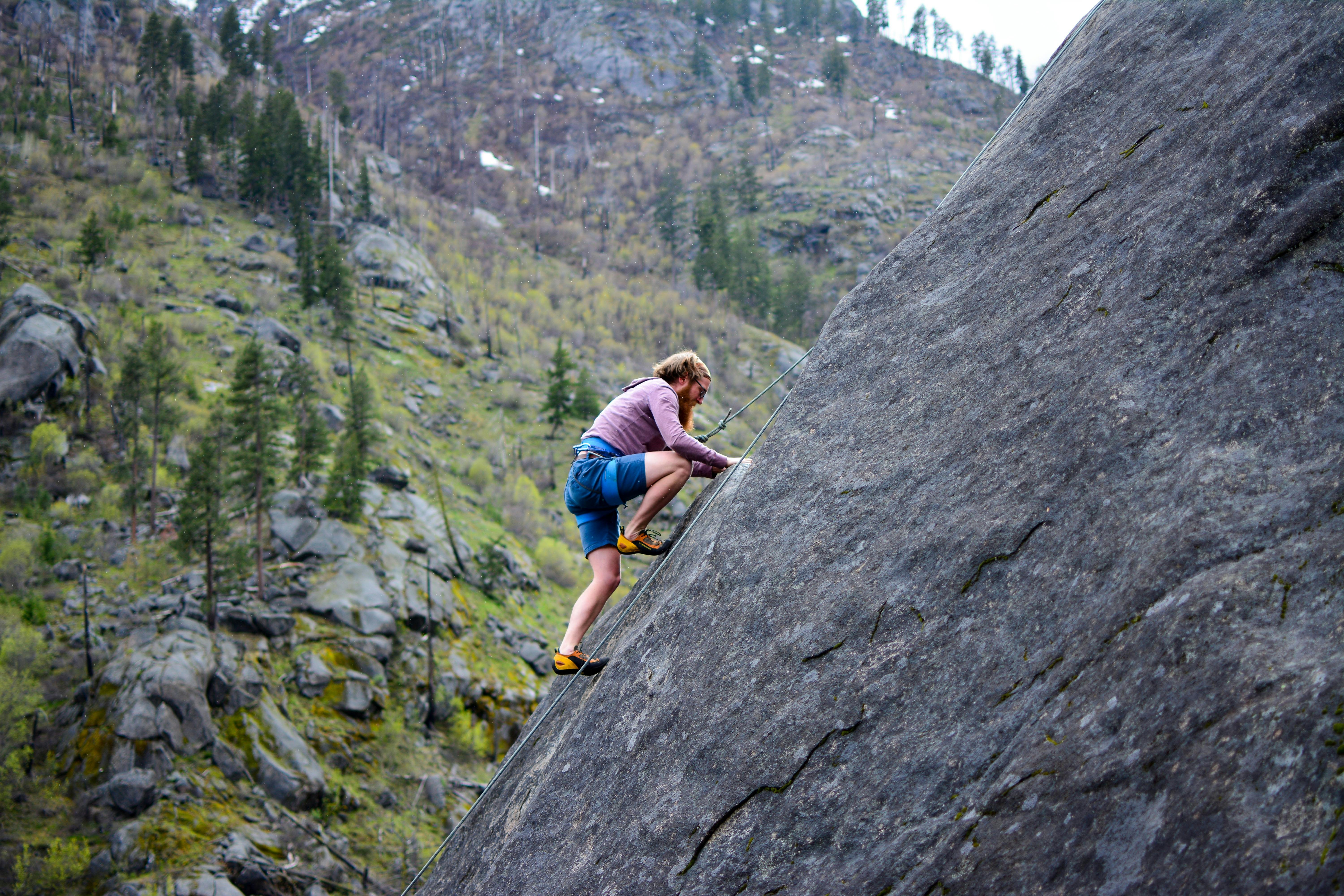
“Font” is a sprawling sandstone forest just outside Paris that feels like an endless natural climbing playground, with rounded slopers, technical aretes, and delicate slabs spread across mossy boulders under the trees. It’s where the modern concept of bouldering as a discipline was refined, complete with color-coded circuits that let you wander and climb for hours without repeating a problem. The style emphasizes subtle footwork and body positioning over brute strength, so it’s as famous for teaching movement and technique as it is for hosting some of the hardest boulders in the world.
Best-known route (problem): La Marie Rose (Cuvier) — an ultra-classic, historically important problem around Font 6a (≈ V2).
Difficulty range: Roughly Font 1–2 up to ~Font 9A (about V0–V16).
Red Rock Canyon, USA (Nevada)
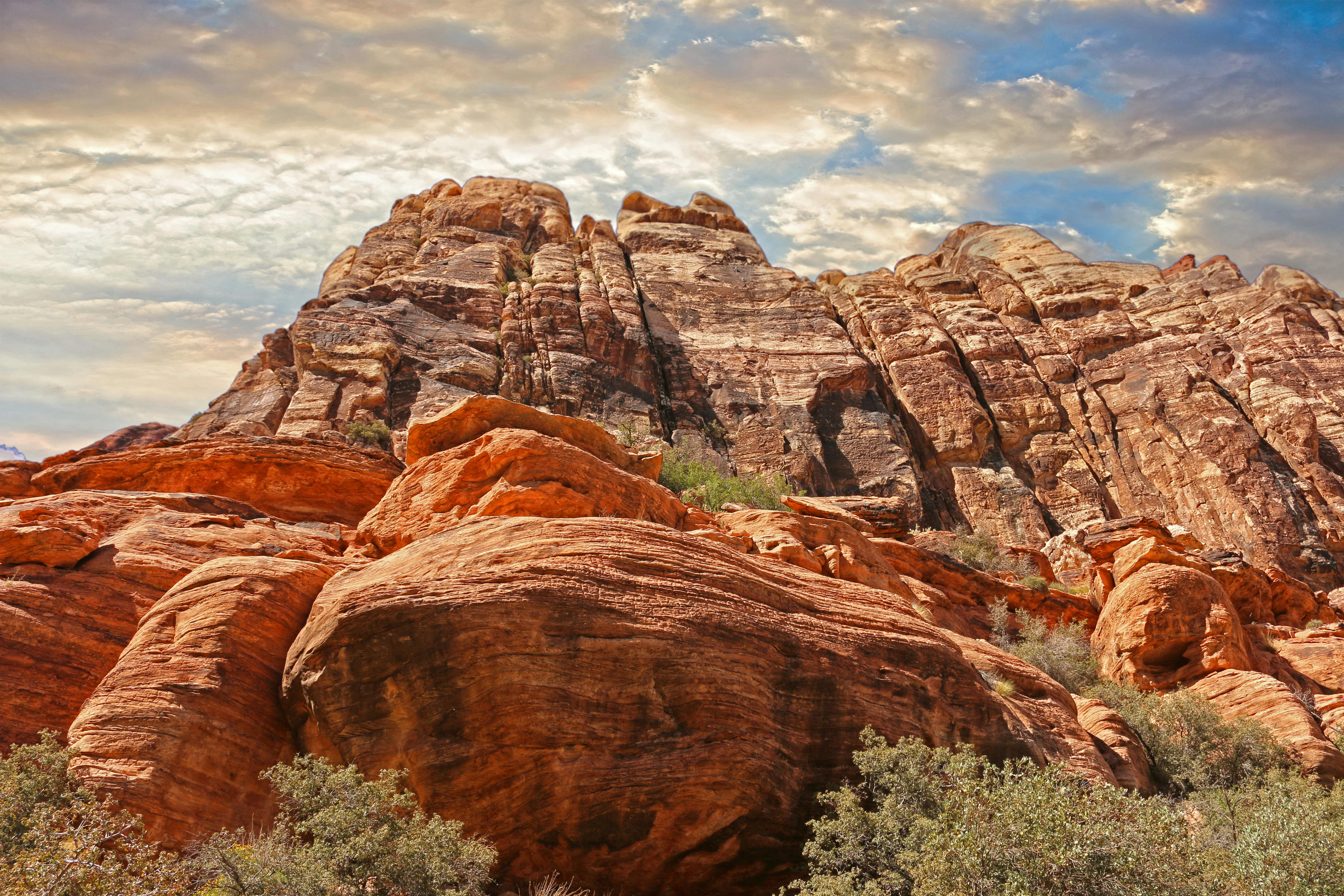
Red Rock offers a striking contrast of desert sandstone towers, varnished black faces, and deep canyons just 20–30 minutes from the Las Vegas Strip, making it one of the most accessible world-class climbing destinations. The area is renowned for its long, moderate multi-pitch routes that give “big wall” exposure without extreme grades, alongside high-quality sport crags and bouldering sectors. With generally mild winter weather, well-established approaches, and a huge spread of grades, it’s a place where beginners, weekend warriors, and elite climbers can all find unforgettable days out on the rock.
Best-known route: Epinephrine (Black Velvet Canyon) — legendary, exposed chimneys and face climbing around 5.9, often considered a must-do desert classic.
Difficulty range: Roped routes around 5.4–5.14, bouldering roughly V0–V13+.
Rocklands, South Africa
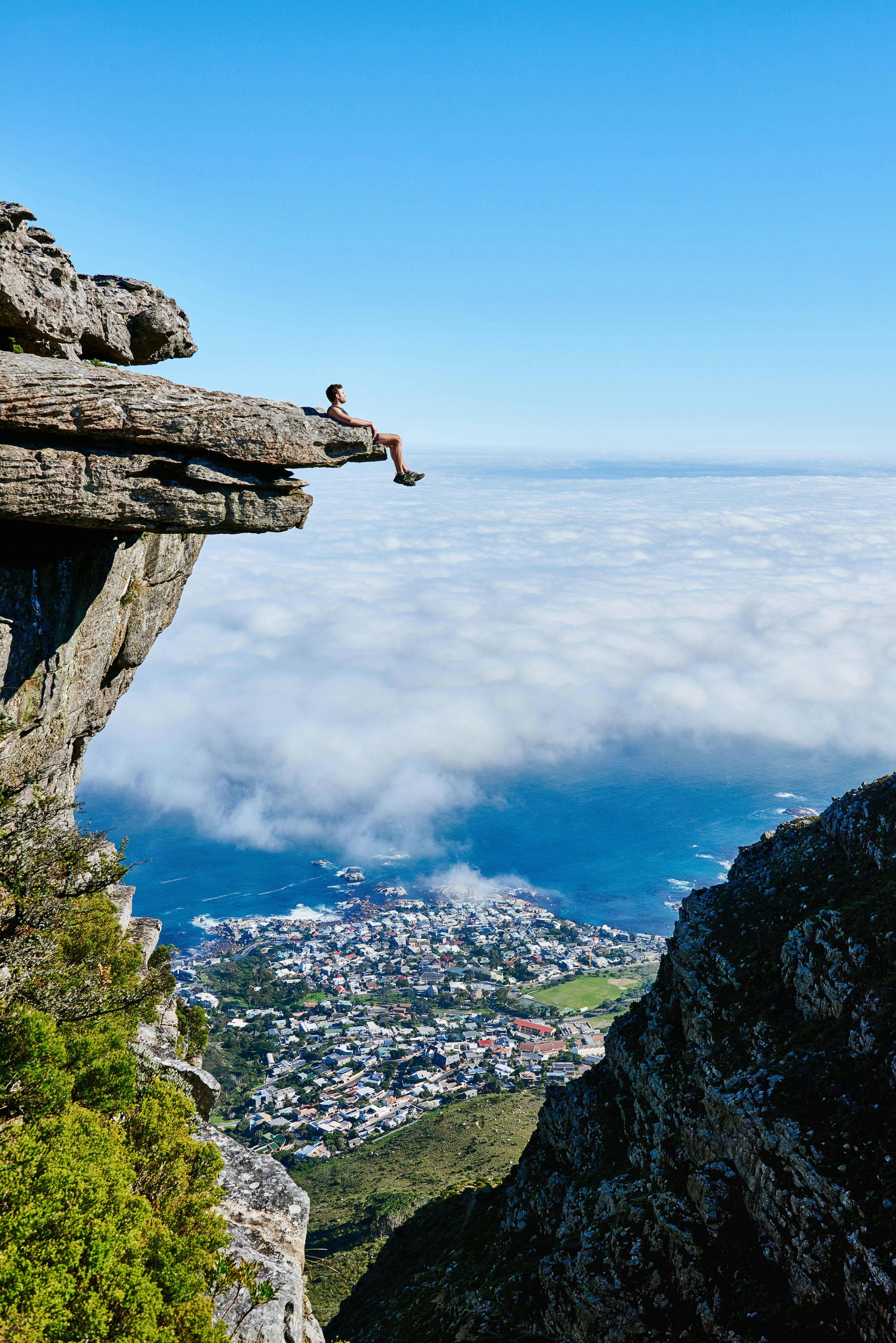
Rocklands is a remote, high-desert plateau of orange and grey sandstone blocks scattered across rolling hills, offering a density of world-class boulders that feels almost unreal. The climbing is powerful and three-dimensional, with pinches, slopers, roofs, and compression lines that photograph as well as they climb, drawing many of the world’s strongest boulderers every season. Despite its international reputation, the atmosphere remains laid-back and wild, with dirt roads, big skies, and evenings around a fire, creating a strong sense of adventure and community.
Best-known route (problem): The Vice — a steep, physical compression testpiece around Font 8B (V13), emblematic of Rocklands power climbing.
Difficulty range: Boulders from roughly Font 5/6A (V1–V2) up to about Font 8C+/9A (V15–V16), with a huge concentration in Font 6B–7C.
Mallorca, Spain
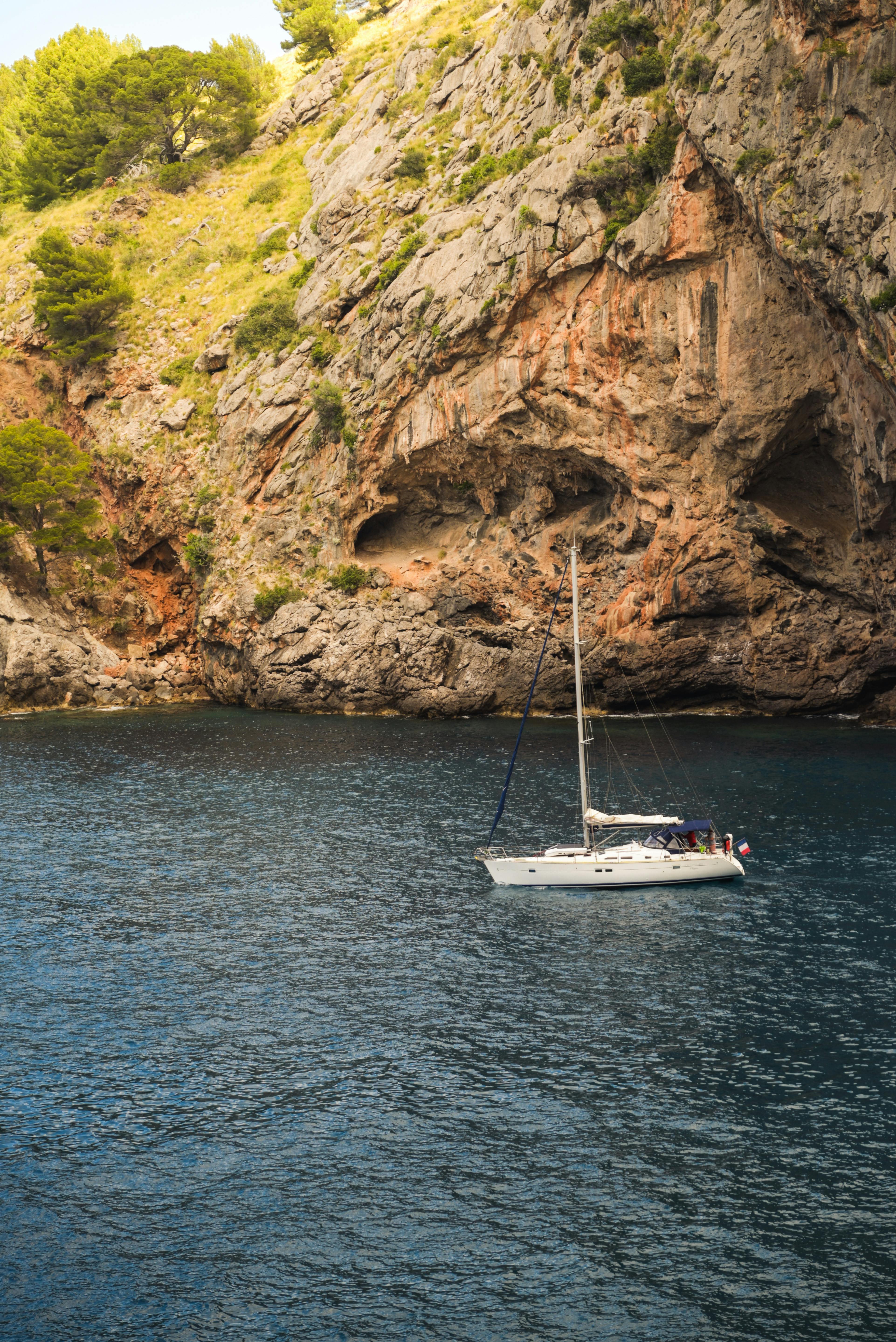
Mallorca is synonymous with deep water soloing: sheer limestone sea cliffs rising straight out of turquoise water, where climbers leave the rope behind and rely on the Mediterranean as their “crash pad.” The island combines holiday vibes with serious climbing, offering everything from mellow splashy traverses to terrifyingly exposed, endurance-heavy testpieces high above the sea. The visual drama of the arches and caves, the sound of waves below, and the unique mental challenge of committing to hard moves with nothing but water beneath you make Mallorca a bucket-list destination even for seasoned climbers.
Best-known route: Es Pontas — Chris Sharma’s spectacular arch DWS line, often graded around 9a+, and one of the most famous solo climbs in the world.
Difficulty range: DWS and roped limestone climbing from around 5+/6a up to roughly 9a/9a+, with abundant mid-grade routes for strong intermediates.